 Micro-needle therapy, often called Microneedling or collagen-induction therapy, has become one of the most advanced and effective procedures in modern aesthetics. It’s a minimally invasive technique that promotes skin rejuvenation, scar repair, and collagen remodeling using microscopic needles.
In recent years, micro-needle therapy—especially radiofrequency (RF) microneedling systems—has evolved from a simple collagen-stimulating treatment into a powerful, multifunctional platform that targets everything from fine lines and enlarged pores to stretch marks, cellulite, and even hair loss.
This article explains the science, classification, and applications of micro-needle therapy and how technologies like fractional RF microneedling (used in professional devices such as achieve deep, controlled rejuvenation with minimal downtime.
What Is Micro-Needle Therapy?
Micro-needle therapy is a procedure that creates thousands of controlled micro-injuries on the skin using fine needles. These tiny punctures trigger the body’s natural healing process, stimulating the production of collagen, elastin, and growth factors.
Depending on the device and technology used, Micro needling can deliver:
- Mechanical stimulation for collagen induction.
- Transdermal delivery of serums, peptides, or active compounds through micro-channels.
- Thermal energy (RF Micro needling) for tightening and dermal remodeling.
As a result, skin becomes smoother, firmer, and more even in tone over time—without the risks or downtime of ablative lasers.
How Does Micro-Needle Therapy Work?
Micro-needle therapy operates on two main biological principles:

Focal Micro-Injury (Collagen Induction)
When micro-needles penetrate the skin, they cause controlled damage in the epidermis and dermis. This activates fibroblasts, which produce new collagen (type I and III) and elastin. The healing cascade includes:
- Release of growth factors and cytokines.
- Formation of new micro-vessels (angiogenesis).
- Remodeling of existing collagen fibers.
Over several weeks, skin texture improves, wrinkles soften, and scars become less visible.
Micropore-Mediated Delivery
The temporary channels created by micro-needles enhance absorption of topical serums such as hyaluronic acid, peptides, vitamins, or skin-lightening agents. These actives penetrate deeply—bypassing the stratum corneum—to maximize efficacy.
When combined with radiofrequency (RF) energy, the process becomes even more powerful, as heat further tightens dermal fibers and enhances collagen regeneration.
Classification of Micro-Needle Devices
Micro-needle systems can be classified based on design, technology, and purpose. Understanding these categories helps professionals choose the right system for each client.
Roller Microneedle
- Traditional design with a handle and cylindrical roller covered in needles (0.5–3 mm).
- As the roller moves, it creates micro-channels across large areas.
- Ideal for general rejuvenation and transdermal delivery.
Stamp Microneedle
- Flat, stamp-like applicator pressed vertically onto the skin.
- Used for localized treatments such as scars, acne pits, or small pigmentation patches.
Electric Microneedle (Automatic Pen Type)
- Motor-driven tip that rapidly inserts and retracts needles.
- Adjustable penetration depth for precision.
- Reduces manual pressure and provides consistent results.
DermaFrac System
- Combines microneedling with microdermabrasion, serum infusion, and LED therapy.
- Effective for uneven tone, photo-aging, and mild acne scars.
Radiofrequency (RF) Microneedling System
- The most advanced category—combines microneedle penetration with radiofrequency thermal energy.
- RF is delivered through insulated or non-insulated needles, heating deep tissue while sparing the epidermis.
- Produces superior tightening, wrinkle reduction, and scar remodeling.
The Science Behind RF Microneedling
RF microneedling combines mechanical and thermal stimulation for deeper skin rejuvenation.
Step-by-Step Mechanism
- Insertion: Ultra-fine needles (0.1–3.5 mm adjustable) penetrate the dermis.
- RF Energy Release: Controlled radiofrequency energy (1–10 MHz) emits through the needle tips.
- Heating Effect: The dermal temperature rises to ~42–45°C, inducing immediate collagen contraction.
- Healing Response: Over weeks, new collagen and elastin fibers form, tightening the skin naturally.
This method avoids surface damage while achieving deep structural rejuvenation, making it ideal for sensitive areas such as the face, neck, eyes, and jawline.
Advantages of Fractional RF Micro needling
Compared to traditional lasers or chemical peels, fractional RF Microneedling provides multiple advantages:
| Feature | Benefit |
| Minimal Downtime | Most redness resolves within 24–48 hours. |
| Safe for All Skin Types | RF energy bypasses melanin, reducing pigmentation risk. |
| Dual Action | Mechanical micro-injury + thermal collagen stimulation. |
| Precision Depth Control | Adjustable 0.1–4 mm penetration for customized results. |
| Long-Term Collagen Remodeling | Results continue improving for 3–6 months post-treatment. |
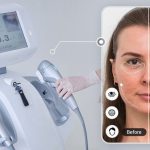
Clinics often use professional systems like the Fractional RF Microneedle Machine, which incorporates suction for better skin Contact, gold-plated needles for conductivity, and advanced cooling to minimize discomfort.
Applications of Micro-Needle Therapy in Aesthetics
Micro needling’s versatility makes it suitable for various cosmetic concerns.
Anti-Aging & Wrinkle Reduction
Stimulates collagen synthesis to firm sagging skin, smooth crow’s feet, and reduce forehead lines.
Acne & Scar Treatment
Breaks down scar tissue while promoting regeneration of new, healthy skin.
Pigmentation & Brightening
Improves uneven skin tone, melasma, and photo-damage by accelerating cell turnover.
Hair Restoration
Enhances scalp micro-circulation and improves absorption of hair-growth serums, helping reduce hair loss.
Stretch Marks & Cellulite Reduction
RF Micro needling remodels connective tissue, improving the texture of stretch marks and smoothing cellulite.
Pore Tightening & Skin Refinement
Increases dermal density for visibly smaller pores and smoother skin.
How Micro-Needle Therapy Compares to Lasers
| Aspect | Microneedle Therapy (RF) | Laser Treatment |
| Mechanism | Collagen induction + thermal stimulation | Ablation or coagulation via light energy |
| Skin Damage | Minimal, controlled | More aggressive on epidermis |
| Downtime | 1–2 days | 5–7 days (depending on depth) |
| Suitability | All skin tones | Higher risk for darker skin |
| Collagen Renewal | Long-term, natural | Rapid but may plateau |
RF micro needling bridges the gap between superficial treatments and deep resurfacing. It offers long-lasting rejuvenation while remaining safe for all skin types.
Treatment Experience and Recovery
Before Treatment
- Avoid sun exposure, retinol, or exfoliants for 3 days.
- Cleanse skin thoroughly and remove makeup.
- Numbing cream may be applied for comfort.
During Treatment
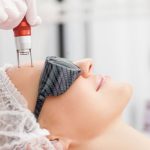
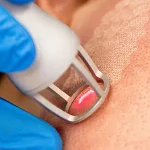
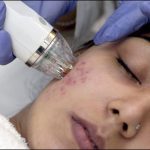
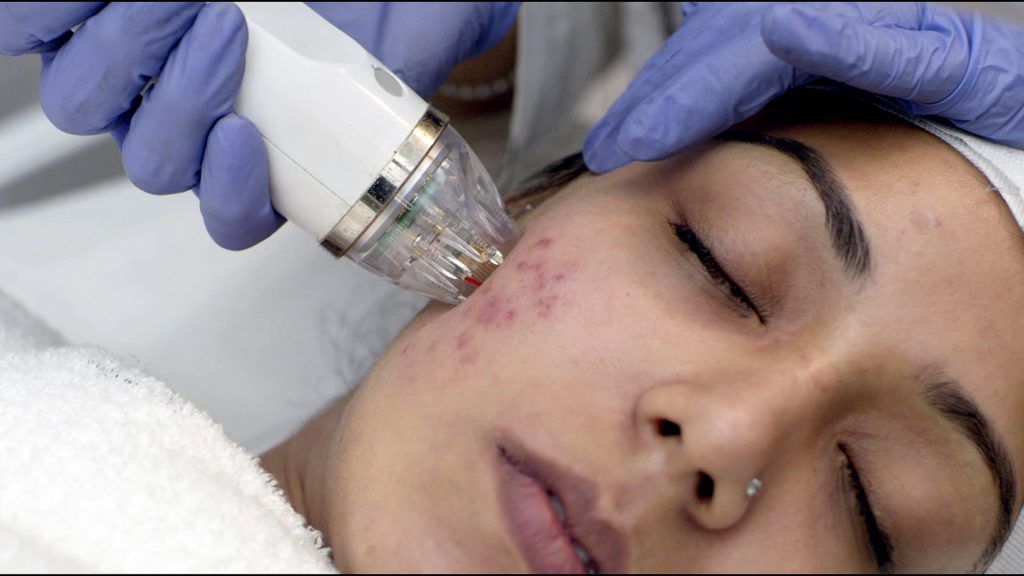
- The device glides across the skin while needles create micro-channels and release RF energy.
- Mild warmth or tingling during treatment is common and signals effective stimulation.
- Treatment time: 30–60 minutes depending on area size.
After Treatment
- Slight redness or swelling lasts 24–48 hours.
- Avoid harsh products, heat exposure, and makeup for 24 hours.
- Apply soothing moisturizers and SPF 50+ sunscreen daily.
Within a week, the skin appears brighter, and within 1–2 months, firmness and texture noticeably improve.
Long-Term Results
| Time After Treatment | Skin Changes |
| 1 Week | Glow, reduced oiliness, smaller pores |
| 1 Month | Smoother surface, light wrinkle reduction |
| 3 Months | Visible lift, improved elasticity |
| 6 Months | Continued collagen buildup and lasting firmness |
Results typically last 12–18 months, with maintenance sessions every 9–12 months to sustain collagen production.
Why Fractional RF Microneedling Is the Future of Skin Rejuvenation
Traditional micro needling works well, but fractional RF micro needling takes results to the next level by combining mechanical stimulation with energy-based precision.
The RF micro-needle system heats deeper tissue layers (dermis) without disrupting the epidermis, achieving three simultaneous effects:
- Collagen contraction for immediate tightening.
- Collagen regeneration for long-term elasticity.
- Enhanced serum penetration through micro-channels.
Devices like H2-K6 RF Microneedle exemplify this next-generation approach—offering adjustable depth, multiple needle cartridges (25–64 pins), and real-time suction technology for uniform results with minimal pain or downtime.
Safety and Contraindications
When performed by trained professionals, micro-needle therapy is extremely safe. However, it’s not suitable for everyone.
Avoid Treatment If You Have:
- Active acne or skin infection.
- Recent chemical peels or laser resurfacing.
- Keloid-prone or sensitive skin conditions (eczema, psoriasis).
- Pregnancy or use of blood thinners.
Common Short-Term Reactions
- Mild redness and swelling (24–48 hours).
- Temporary dryness or flaking.
- Minor pinpoint bleeding (normal for deep treatments).
These effects indicate that the skin is regenerating.
Maintenance and Aftercare Tips
To maximize and maintain your results:
- Use gentle cleansers and hydrating serums.
- Apply broad-spectrum SPF every morning.
- Avoid harsh exfoliants for 5–7 days.
- Stay hydrated—water supports collagen formation.
- Schedule touch-up treatments every 9–12 months.
Frequently Asked Questions
How does micro-needle therapy work for wrinkles and scars?
Micro needling creates micro-injuries that stimulate fibroblasts to produce collagen and elastin, gradually reducing fine lines, acne scars, and texture irregularities.
Is radiofrequency micro needling painful?
Most patients describe mild warmth or pressure. Topical anesthesia and built-in cooling make the experience comfortable.
How many sessions do I need for visible results?
Typically, 3–5 sessions spaced 4–6 weeks apart are recommended. Maintenance every 9–12 months sustains collagen growth.
Can microneedling be combined with other treatments?
Yes—many clinics combine it with serums, PRP (platelet-rich plasma), or LED therapy to enhance healing and glow.
Is fractional RF microneedling safe for darker skin tones?
Yes. Since RF energy targets dermal tissue rather than surface pigment, it’s safe and effective across all Fitzpatrick skin types.
Key Takeaways
- Micro-needle therapy uses fine needles and RF energy to rejuvenate skin by stimulating collagen and enhancing absorption.
- Fractional RF microneedling delivers superior results with minimal downtime—ideal for wrinkles, scars, and skin laxity.
- Results build gradually and last up to 18 months with proper care.
- Safe for most skin tones and concerns when performed with professional-grade systems.
- Combining microneedling with active skincare or energy-based devices amplifies long-term rejuvenation.