Hair Regrowth Laser Cap
Hair regrowth laser cap uses low level laser therapy (LLLT) of 650nm red light for treatment of androgenetic alopecia (AGA).

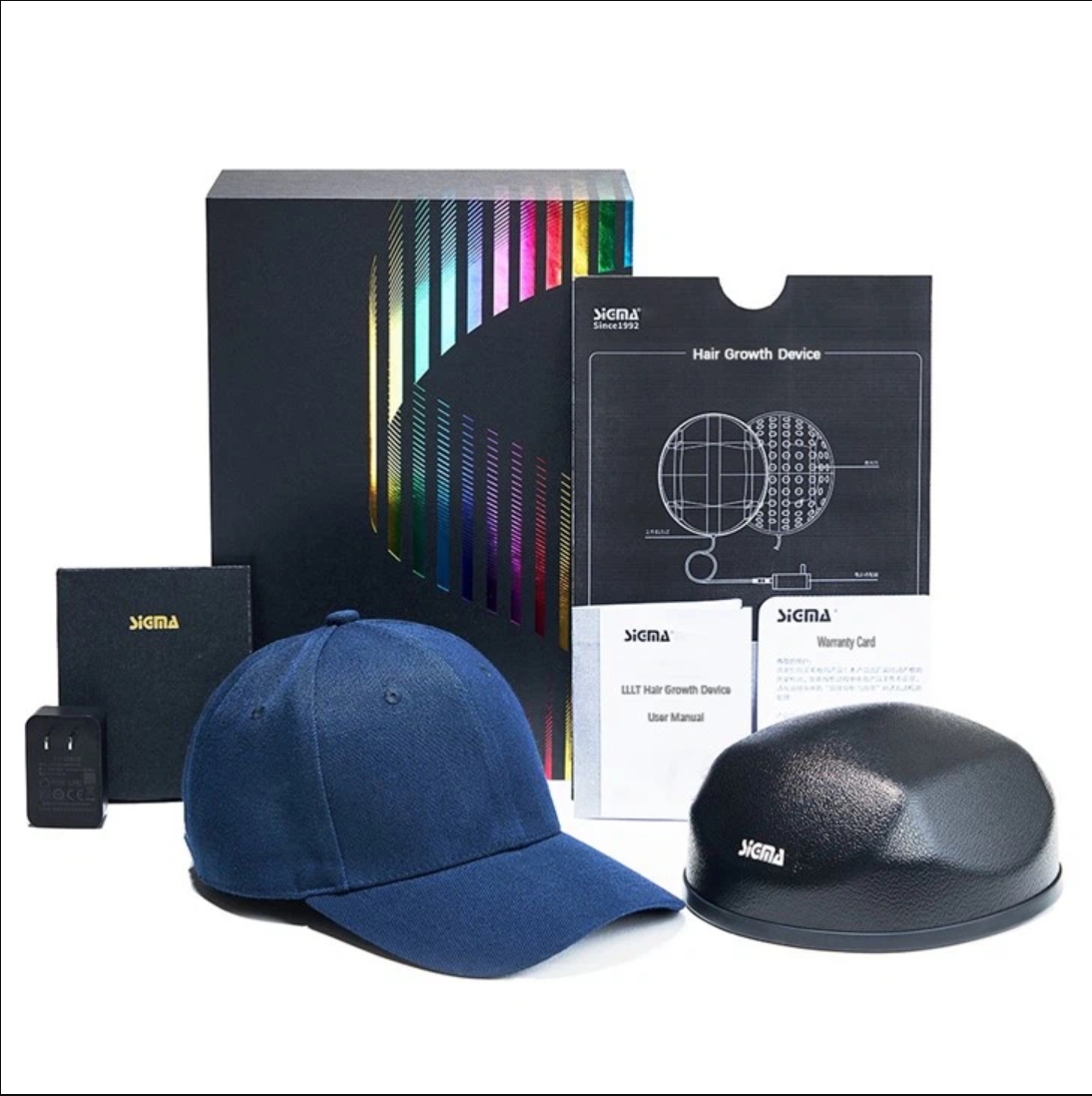
Shanghai SIGMA hair loss treatment device SF650 is for the treatment of androgenetic alopecia(AGA). It is very effective, safe and convenient to use. During therapy, it can reduce grease production, stop losing hair and regrow new hair.
Its emits powerful 650nm laser to activate hair follicles to solve the hair thinning and balding problem. This treatment, Low-Level Laser Therapy (LLLT), is a non-invasive, painless, safe physical therapy to improve follicles density and promote hair growth.
Product Features
1.Powerful 650nm red laser light to improve the scalp environment, reduce sebum production and stimulate the hair follicles to grow the hair.
2.With internal sensor, LED can automatically light up when the cap touches the head. When the hat is removed, the light automatically turns off.
3.High intensity LEDs only takes 30min to complete single treatment.
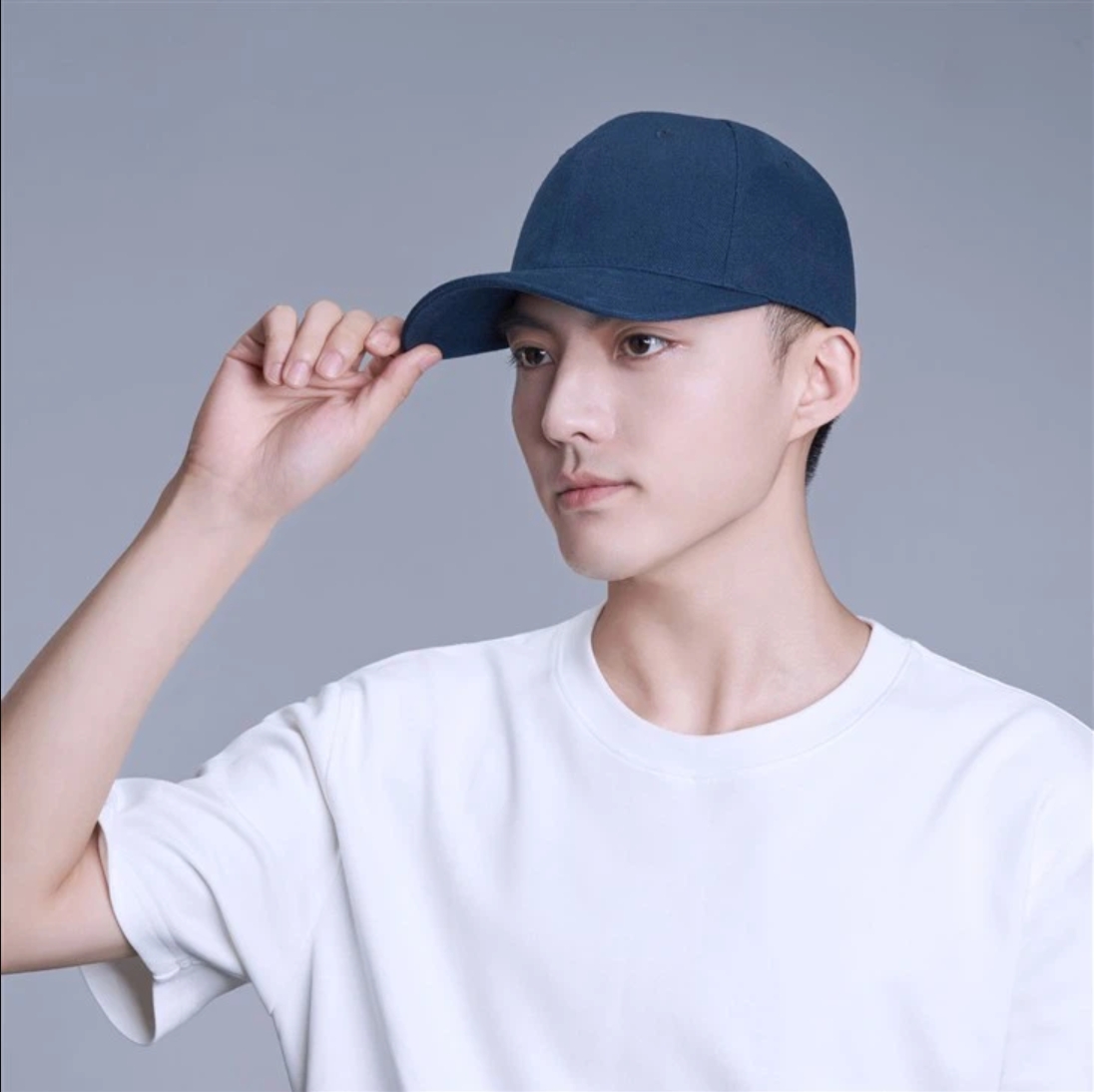
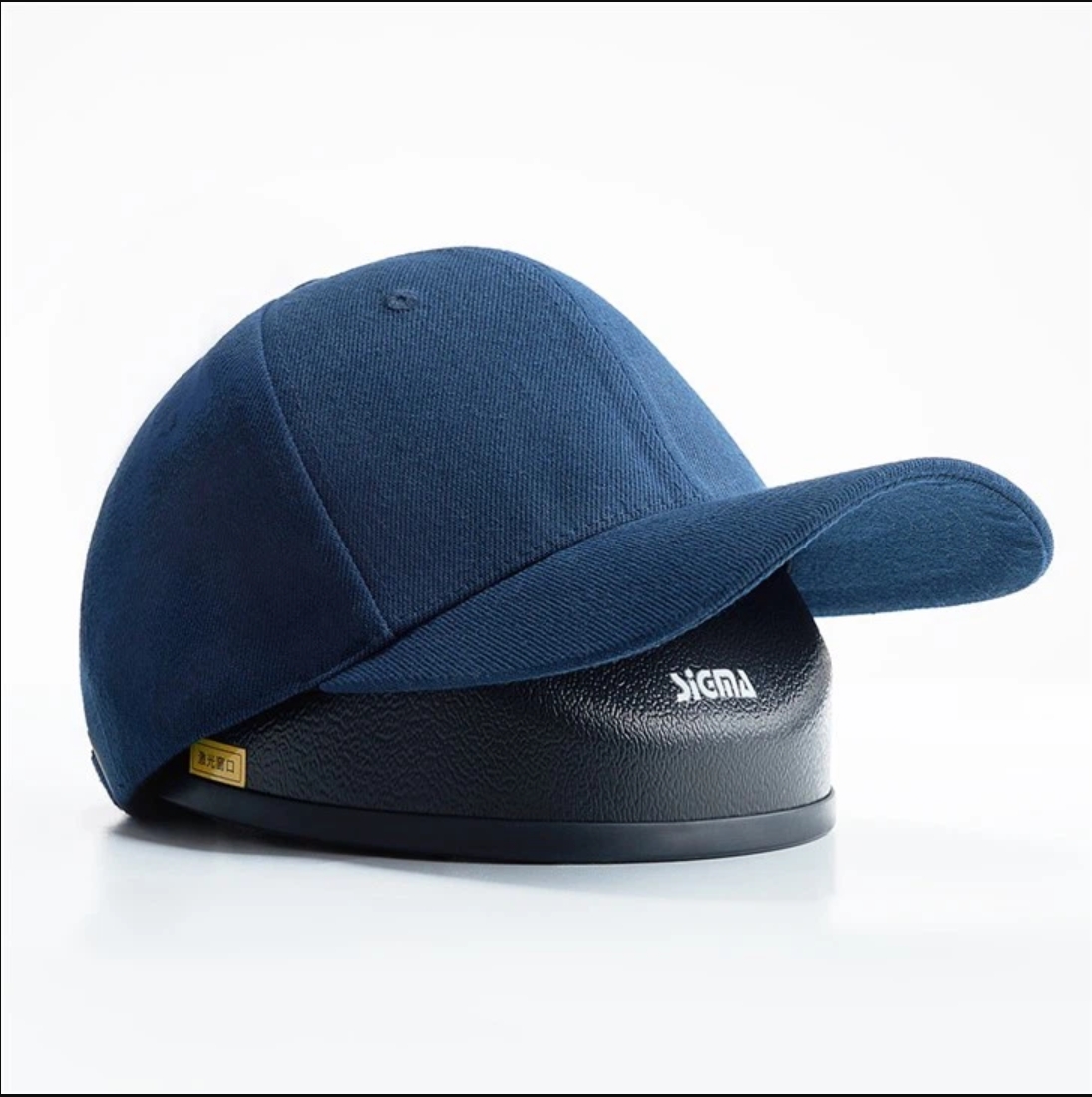
4.Fashion cap design; hat size can cover the scalp and be suitable for different head circumferences.
5.Upper cap can be changed to different hats according to your preference.
Treatment
The single use time is 30 minutes. One session every other day.
User should refer to the Hamilton-Norwood Hair Loss Scale.
I~V: user can use hair regrowth laser cap;
Vl and Vll: don't recommend, have no obvious effect.
Technical Specification
Model number: SF650PTNMY
Diodes number: 120pcs
Laser wavelength: 650±8 nm
Single treatment duration: 30 min
Working voltage: AC 100~240V


Knowledge Sharing
In recent years, hair loss has become a growing concern, and androgenetic alopecia (AGA), in particular, is a source of great distress.
Currently, there are various treatment methods for androgenetic alopecia, but either the side effects are unacceptable or the cost of treatment is too high. The search for safe, effective and inexpensive treatments has become the obsession of patients, and the emergence of low-level laser therapy has submitted a perfect answer to this obsession.
What is androgenetic alopecia?
Androgenetic alopecia (AGA), also known as seborrheic alopecia, is an androgen-dependent autosomal dominant polygenic disorder. It affects about 21.3% of men and 6.0% of women in China, and is the most common type of hair loss. Its clinical characteristic is progressive miniaturization of hair follicles and shortening of the growth period of dermal papilla cells (DPC), which is specifically manifested in the gradual evolution of coarse black hair into light coloured fine hair and its loss. This ultimately results in hair loss on the forehead, coronal area, or top of the head.

There are many factors affecting the development of androgenetic alopecia, such as inflammation around the hair follicle, excessive sebaceous gland secretion, negative emotions, poor living and dietary habits, etc. However, the determining factor leading to the development of androgenetic alopecia lies in the abnormal alteration of androgen metabolism. Interestingly, androgen metabolism in androgenetic alopecia is not characterized by abnormal fluctuations in androgen levels, but rather by androgen replacement due to an abnormal increase in catalase. Studies of scalp biopsy specimens from alopecia areata in patients with androgenetic alopecia showed that type II 5α-reductase activity in hair follicles in alopecia areata was significantly higher than in non-alopecia areata. Type II 5α-reductase activity catalyzes the conversion of testosterone to dihydrotestosterone (DHT), which is a central factor in the development of androgenetic alopecia.

Studies have shown that DHT binds to androgen receptors in the hair follicle, leading to the expression and secretion of transforming growth factors (TGF-β1 and TGF-β2). Such transforming growth factors can prevent cell proliferation in the hair follicle and induce apoptosis, causing the hair to enter the regression phase earlier, which in turn leads to miniaturization of the hair follicle and hair loss. At the same time, DHT also down-regulates the secretion of IGF-1 by hair papilla cells. And IGF-1 can regulate the follicle dermal cells and follicle keratinocytes proliferation, migration and differentiation, and promote the growth of hair in the early stages of growth, delay hair recession and resting time, it is a real good helper for hair care and hair growth. Relevant data show that under the influence of DHT androgenetic alopecia patients with papilla cells secretion of IGF-1 content is 1/6 of normal people.
The mechanism of action of low-level laser therapy of hair loss
Low-level laser therapy (LLLT) has the advantages of being painless, non-invasive, safe and with fewer adverse reactions than traditional drugs and physical therapy. In recent years, as the research on LLLT for androgenetic alopecia continues to deepen, the mechanism of action of LLLT has gradually become clearer.
1.Inhibit oil secretion and protect the function of hair follicles
Androgenetic alopecia is also known as seborrheic alopecia. Excessive oil secretion from the scalp is an important factor affecting androgenetic alopecia. Sebaceous gland hyperplasia and increased sebum secretion can directly cause mechanical compression of the hair root, resulting in hair loss.
In addition, excessive secretion of sebaceous glands will make the follicular opening over-keratinized, forming embolism, affecting the nutrition of the hair follicle, leading to gradual atrophy and destruction of the hair follicle. At the same time, the epithelial cells shed from the follicle wall mixed with sebum embolize within the follicular opening, triggering inflammation and leading to destruction of the hair follicle, thus promoting the onset and development of androgenetic alopecia.

In a clinical controlled study of LLLT treatment of female patients, LLLT low-level laser was proven to be effective in balancing scalp oil secretion, and at the same time, it has certain anti-inflammatory effects, which can effectively improve the micro-ecology of the scalp, reduce the scalp oil, and alleviate the problems of scalp itching.
2.Reduce tissue inflammation and improve scalp environment
The role of micro-inflammation in the pathogenesis of androgenic alopecia has been confirmed. The infiltration of activated T cells around the hair follicle bulge will lead to hair follicle miniaturization and eventually hair loss. At the same time, the interaction between androgens and androgen receptors can induce premature aging of dermal papilla cells through DNA damage, and the release of cell debris may ultimately cause an inflammatory response and promote the development of androgenic alopecia.
LLLT irradiation can reduce the number of neutrophils and macrophages in patients through photobiomodulation reactions, inhibit inflammatory factors such as interleukin-1β (IL-1β), IL-6 and tumor necrosis factor (TNF-α), and Secretion of chemokines CCL3, CCL4 and CXCL2, thereby reducing the inflammatory response.
3.Enhance scalp metabolism and promote hair growth
Relevant studies have proven that low-level lasers with a wavelength range between 650-900nm and a power as low as 5mW/cm² can penetrate epidermal cells, reach the roots of hair follicles and be specifically absorbed by the dermal papilla in the hair follicles, thereby increasing scalp blood flow and oxygen volume, accelerating local metabolism, and promoting hair growth.
At the same time, LLLT irradiation can also increase ATP by activating cytochrome c oxidase and increasing mitochondrial electron transport, prompting hair follicles to transition from the resting phase to the anagen phase, prolonging the growth time of hair follicles in the anagen phase, increasing the hair follicle proliferation rate, and preventing the anagen phase. Hair follicles enter the catagen phase early. After LLLT treatment, patients experienced significant improvements in hair count, hair density, hair thickness, and tensile strength.
3.Clinical efficacy of low-level laser treatment for hair loss
The potential application of low-energy light therapy to stimulate hair growth dates back to 1967, when Endre Mester accidentally discovered the potential of laser-induced hair regeneration in mice and first mentioned LLLT and hair growth in another study that year.
Friedman et al. used a new type of laser diode device with an operating wavelength of 650nm in a recent clinical study on female androgenic alopecia. Because this laser equipment is often used for head treatment, it is made in the form of a sports cap to facilitate irradiation of the scalp. In this multicenter randomized controlled trial of 44 female patients aged 18 to 60 years, treatment for 30 minutes every other day resulted in a 51% increase in hair count after 17 weeks of treatment, while there was no significant change in the control group. This result shows that 650nm low-energy laser treatment has a significant therapeutic effect on female androgenic alopecia.
In a clinical study on the efficacy and safety of low-energy laser equipment in the treatment of male and female hair loss, JimenezJJ et al. used 655nm low-level laser to treat 141 female and 128 male patients with androgenic alopecia, 3 times a week, every The treatment lasted 8-15 minutes for 26 weeks. It was found that the patient's hair thickness or fullness improved overall after treatment, while the control group had no significant change. This result shows that 655nm low-energy laser is effective in treating androgenic alopecia in men and women.
It is worth mentioning that during the clinical treatment of LLLT, most subjects did not report any serious adverse reactions, and only a few subjects reported minor side effects: headache, dry skin, itching, scalp tenderness, acne, Irritation, redness, and heating of the illuminated area may resolve after discontinuing use of the low-level laser device.
Overall, LLLT is a safe and effective alternative with minimal side effects for hair loss patients who are unwilling to use medication, are unresponsive or intolerant to systemic treatments, and are unwilling to undergo surgical treatment.
LLLT not only has great potential as a single treatment for androgenetic alopecia, but can also further improve the efficacy as a combination treatment. In terms of combined treatment with drugs, the combination of LLLT with topical minoxidil and oral finasteride can significantly enhance the overall efficacy.
(Warm reminder: Please take medication under the guidance of a doctor, and do not use medication without permission.)
In terms of combined treatment with surgery, LLLT can also promote wound healing to a certain extent. As an auxiliary therapy for hair transplantation, LLLT can shorten the postoperative healing time and improve the survival rate after hair transplantation.